
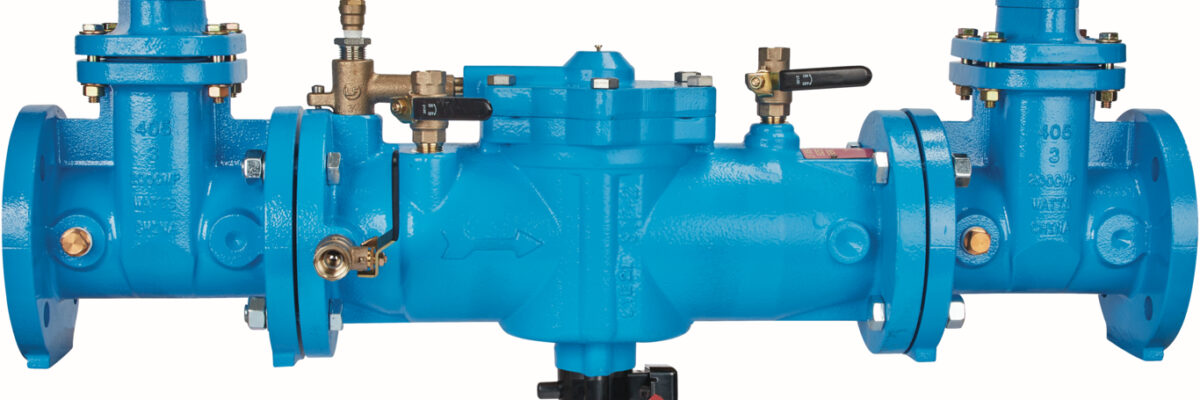
Did you know a single reduced pressure zone (RPZ) assembly can discharge hundreds of gallons per minute during a backflow event? For plumbing engineers, that’s not just a detail—it’s a design challenge that can’t be overlooked.
In many commercial buildings, RPZ assemblies are essential for protecting the domestic water system from contamination. These backflow prevention devices maintain a zone of reduced pressure between two check valves, ensuring that water from the downstream system cannot flow back into the potable supply. In some cases, it is preferred to install an RPZ outside the building and spill to grade to minimize the impact of the relief valve discharge rate. Certain conditions must be met to comply with code, but it can reduce project cost and flooding risks.
In other cases, they must be located indoors. When installed inside, they are typically placed in mechanical rooms with adequate lighting and clearances for inspection and maintenance. Since interior backflow preventers are typically required to be installed within 10’ of where the water service enters the building, there can be opportunities to route the RPZ discharge through the exterior wall and spill to grade in a location that will not cause damage or create a nuisance. This drainage is typically connected to a storm drain with an air gap for cross-contamination protection. Coordination with the authority having jurisdiction is required but is another good option to eliminate the need for large interior drainage piping systems.
Critical Design Considerations
Before installation, plumbing engineers must address several factors to ensure proper performance and code compliance. One of the most important is the relief valve discharge rate, as this flow can significantly impact the sanitary sewer system during a backflow event or system failure.
Proper sizing and drainage planning are essential to prevent flooding and contamination. Discharge rates vary by assembly size, pressure, and manufacturer, but they can be substantial. For example, at 80 PSI, a 2-inch RPZ can discharge up to 150 GPM while an 8-inch assembly can reach 650 GPM. These flow rates can easily overwhelm undersized drains. This is especially critical when an RPZ is installed in a basement or pit, where it may become submerged in contaminated flood water in the event of a relief vent discharge or pipe break. In most cases it is recommended that RPZ’s be installed above grade.
Drainage Requirements
Due to the high flow rates noted above, RPZ discharge should drain by gravity whenever possible. If gravity drainage is not feasible, a sump and pump system may be required, which adds cost and introduces additional maintenance responsibilities for the building owner.
RPZ discharge is typically routed to the building’s sanitary sewer system via floor drains or indirect waste connections. These drains and associated piping must be sized to handle the maximum relief valve discharge. Plumbing codes and cross-connection control guidelines require discharge piping to be visible, indirectly connected to the sanitary drainage system, and properly sized to prevent backflow and allow for servicing.
It’s important to note that relief valves may discharge intermittently during normal operation—not just during emergencies—so drainage must be designed for routine use.
Best Practices for Location and Layout
Floor drains should be positioned directly beneath or adjacent to RPZ assemblies to minimize splash and flooding risk. Engineers must also ensure the sanitary sewer system can accept sudden inflows without causing backups or water damage. In installations where a domestic water shut-down as part of RPZ maintenance is undesirable, two RPZ assemblies can be piped in parallel to allow for maintenance on one assembly while the other remains in service. State and local codes and regulations must be reviewed to ensure that the correct model numbers, clearance, location, layout, and orientation of the RPZ assembly are provided. Many jurisdictions have a list of acceptable RPZ manufacturers and models that must be used within their municipality.
Conclusion
Thoughtful planning ensures compliance with plumbing codes, helps prevent flooding, and protects potable water. By accounting for discharge volumes, drainage capacity, and maintenance access, plumbing engineers can deliver reliable systems that safeguard building operations.
Joshua Torrez, PE, CPD is a Mechanical Engineer in NV5’s St. Paul, MN office. For more information on NV5’s mechanical and plumbing expertise, reach out Joshua.Torrez@nv5.com.