
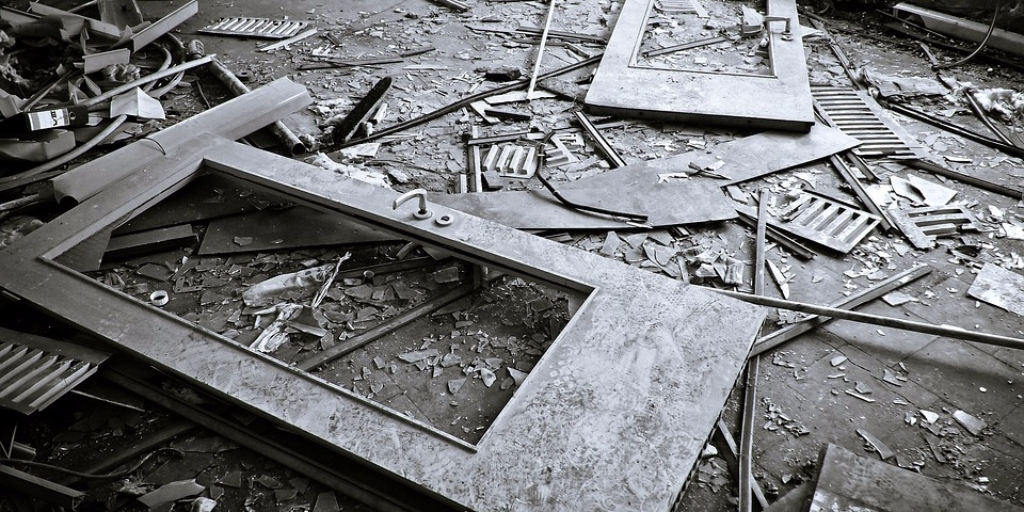
Natural and manmade disasters caused $92 billion in damage around the world in 2015.1 In that year, there were 198 natural catastrophes—the highest ever recorded in one year—with 155 manmade events.
If a disaster occurs near you, are you ready? Do you have an emergency response and management plan in place? In the event of damage, do you have the necessary insurance and risk coverage for your structure and business interruption? Have you done enough to minimize your business downtime?
Most owners would answer immediately with, “Yes, of course!” Yet, too often in the wake of a fire, flood, storm or other event, owners are hit with surprise costs for repair or remediation because of unexpected conditions.
According to the U.S. Dept. of Labor, almost 40 percent of small businesses never reopen their doors following a disaster,2 largely because of the high cost of damage repair or replacement. Those who do stay in business are often left scrambling to find a contractor, engineers and consultants to assist in the assessment of damage and remediation of their facilities. To further complicate matters, prices can spike during an event such as a natural disaster because of increased demand for services.
Here are the top three steps you should take before your business takes on Mother Nature.
Know Your Hazards
Beyond loss of life and injuries, property damage—most frequently the damage caused by an excess of water—becomes a considerable, and often costly, concern. Water damages building materials and can create a medium for biological hazards that could cause infections to those responding to an event and those who inhabit the building after a cleanup.
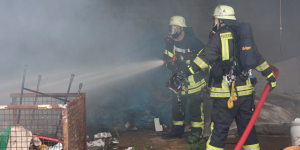
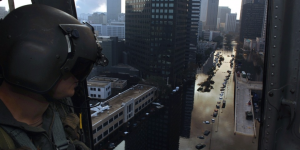 Some hazards that are commonly encountered include asbestos, lead paint, polychlorinated biphenyls (PCBs), hydrocarbons and oil. For example, following Hurricane Sandy many of the major mechanical components in high-rise buildings in lower Manhattan were impacted by floodwaters. In one instance, all of the floodwater and the debris in the building was contaminated with various things ranging from hydraulic fluids to asbestos-containing building materials that were impacted in the basement. The water had to be pumped out, collected, and disposed of per EPA guidelines for contaminated wastewater.
All too often, building owners and contractors do not have an environmental professional under contract for emergency needs to assess conditions immediately following a significant event.
Time is of the essence when addressing environmental hazards, particularly those related to water intrusion. Damages clearly delineated immediately after they occur can help avoid scope and cost creep and ensure insurance coverage. Obtain a comprehensive damage assessment immediately following an event so that you can control the scope work and take the immediate actions necessary to achieve full repair.
Build Relationships
Build relationships with consultants and contractors and set up emergency service agreements prior to a disaster. With the right connections and contracts already in place, you can improve your ability to respond, assist and control the risks of building remediation in the event of an emergency.
Too many times following a disaster, unlicensed and inexperienced contractors show up and take advantage of disaster victims. Work is either not completed or is done with poor workmanship, creating more problems down the road.
 A proper assessment can identify the scope of damages and create a remediation protocol that addresses all the effects of damage to a structure. By establishing a scope of work and a protocol for the remediation, the owner can control costs and ensure that the work is conducted in accordance with regulations, and that proper clearance measures are established and achieved by the contractor.
Have a Plan
The quickest and most effective response and recovery from an event begins with an emergency management plan. The plan will identify and train all response team members and outside vendors.
A best practice in developing your plan will be to learn from your experiences, as well as from the experiences of others. Take actions to mitigate risks prior to a disaster, such as moving mechanical rooms to higher floors to prevent potential flood damage.
It is also important to ensure that you have all documents related to your building such as building drawings, insurance policies, and your emergency response contacts. It is best to save important documents electronically, either on a local server or in the cloud.
In summary, before Mother Nature bears down on your community, know your hazards, build the relationships necessary to respond and recover from an event and have a sound plan of action.
Thinking through the necessary steps that need to be taken in the instance of a disaster—and taking precautionary measures to mitigate risks and reduce response and recovery time—can be instrumental in getting you back on your feet and back in business.
References
1. http://www.swissre.com/sigma/
2. https://www.fema.gov/protecting-your-businesses