
By Mike Tomei, CTS-D, CTS-I
We hear the term “futureproofing” all the time in technology design, but what does it really mean? Owners ask for it, designers promise it, yet it’s not always clear what the term is referring to. It’s easiest to start by defining what futureproofing is not. It’s not predicting future technology trends with a crystal ball. If we were able to do that, we would be playing the stock market. Futureproofing is not specifying that singular product out there that is on the absolute bleeding edge, has no equivalent, was created by a company that has existed for two years, and has a very slim chance of becoming the next big thing. That sort of technology design is not futureproof; it’s reckless. It increases risk, limits the system’s lifespan, and is bound to turn into technical debt.
That being said, it’s still necessary to have an experienced technology designer with a strong understanding of current trends and technology, as well as the ability to look to the horizon. This needs to be an iterative and thoughtful process, rather than just jumping on trends for the sake of ticking the future-proof box on your design. Some categories to consider when futureproofing technology design include infrastructure, space attributes, software, standards, and documentation.
Infrastructure
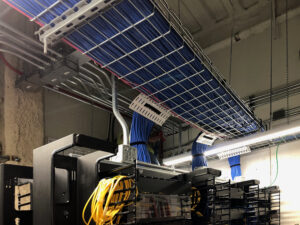
Proper infrastructure design can be one of the most effective ways of futureproofing your technology design. A straightforward technology lifecycle replacement project in a classroom or conference room can become quite painful and expensive when you realize the infrastructure also needs to be replaced. Imagine the opposite where future infrastructure needs are considered from the start. Six years from now, installers walk into the room and find conduit properly sized and routed where needed, power outlets and data jacks in the right locations, structural blocking/supports in the walls and ceilings ready for mounting, and structured cabling that can still be reused. In a nutshell, if walls and ceilings must be opened, a future lifecycle replacement just became significantly more expensive. Futureproofing means avoiding turning a routine lifecycle upgrade into a gut renovation and full replacement effort.
Appropriate structured cabling specifications and termination methods can be among the most beneficial infrastructure considerations for data network, AV, and security system designs. As often as we hear about residential networking moving completely to wireless device connections, wired structured cabling is still king in the enterprise environment. The risk is too high to completely rely on wireless networking in academic, healthcare, corporate, or similar high-density environments. This makes it even more important that the technology designer understands proper structured cabling specifications. While it’s difficult to predict future bandwidth requirements for audio, video, control, and data signals, an experienced structured cabling designer can specify the proper category cable type to get you through at least one lifecycle replacement, if not more.
Adhering to industry standards and best practices for structured cabling termination will make equipment replacement much easier in the future. BICSI RCDD certified designers understand the importance, reliability, and flexibility of terminating structured cabling to patch panels and punch-down jacks, rather than directly connecting devices with field-terminated connectors. As important as wired structured cabling is, the technology designer cannot neglect the accompanying Wi-Fi design. Future bandwidth and device connections to Wi-Fi networks are continually increasing, so over-specifying a Wi-Fi design’s capability will prepare the organization for future needs.
Room Attributes
Focusing on correcting room attributes is another way to properly futureproof. Take the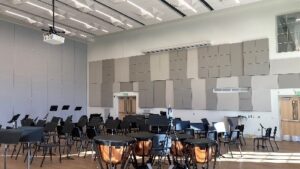 time to optimize the acoustics for space functionality. Install motorized shades to block the ambient light from washing out the projection screen. Specify controllable lighting systems that properly split the room into zones that complement the technology system design. Install enough power outlets on walls and floors to allow for flexible furniture configurations. Provide proper technology storage options (cabinets, closets, IT rooms) with proper cooling so future designs aren’t restricted. Spend time now properly correcting room attributes rather than applying band-aids to things with technology-related fixes. Technical solutions for poor acoustics or lighting might get you close enough to your current design goal but will handcuff future technology upgrade decisions.
Software Programming
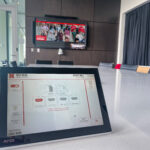
AV control system programming is a great way to develop a futureproof system design. Changes to software user interfaces are a cost-effective way to make future enhancements to end-user experiences. Design AV control system programming with the goal of flexibility, change management, and future upgrades.
Standards & Documentation
One of the quickest ways to create a technology design that is not futureproof is to design a unicorn. An AV system design that is completely unique to the organization and doesn’t follow any established enterprise standards will turn into a support and lifecycle replacement mess in the future. That means future-proofing the organization’s technology design relies on past work to develop and document enterprise-wide design standards. Standards planning can be a labor-intensive effort, with the periodic maintenance of those technical standards adding even more workload, but it will pay off exponentially.
Futureproofing technology design is ultimately about disciplined decision‑making, not chasing the next big thing. It requires investing in flexible infrastructure, correcting foundational room attributes, following proven standards, and designing systems that can evolve without disruption. When done well, futureproofing lowers risk, minimizes technical debt, and extends the value of every technology investment. The goal is not to predict the future, but to create environments that are ready for it.
Mike Tomei Associate Principal in Ithaca, NY joined NV5 through the acquisition of his firm Tomei AV Consulting